

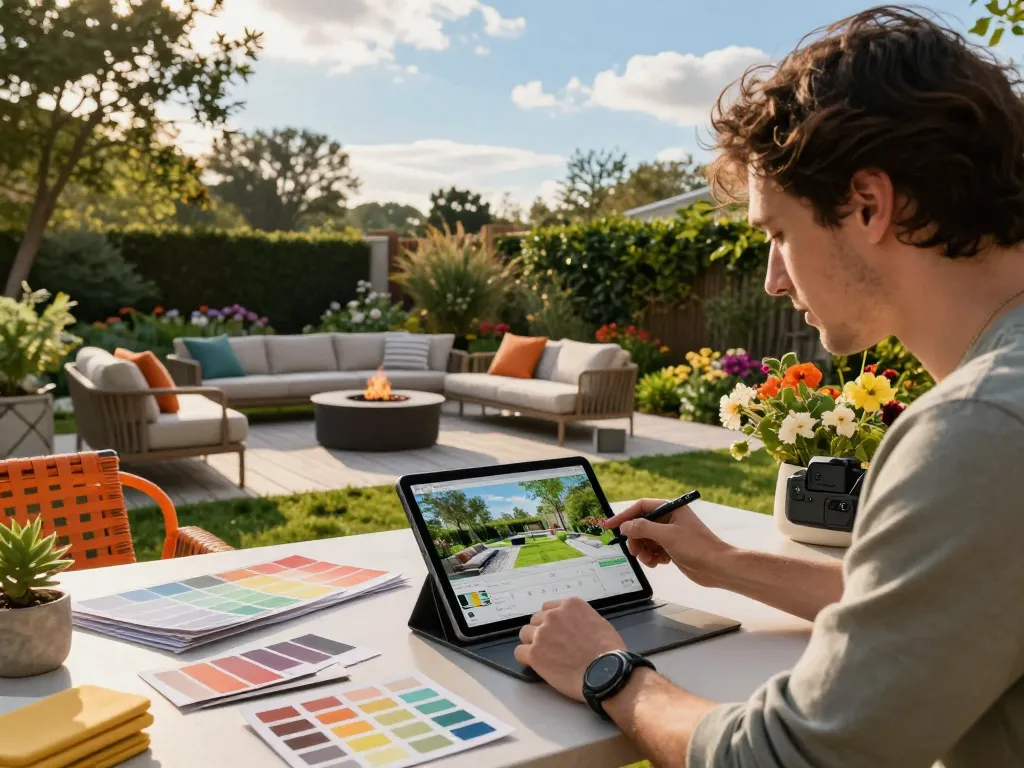
Understanding the Benefits of Configuratore 3D Outdoor Tools
In the evolving world of outdoor design, the configuratore 3D outdoor emerges as a revolutionary tool that empowers both designers and consumers. By harnessing the power of three-dimensional modeling, these configurators enable users to visualize their outdoor spaces in unprecedented detail. From choosing the perfect patio setup to creating bespoke garden structures, the utility of 3D configurators cannot be overstated. This technology not only enhances the design process but also fosters a deeper connection between clients and their envisioned outdoor environments.
What is a Configuratore 3D Outdoor?
A configuratore 3D outdoor is an interactive design tool that allows users to create and customize outdoor spaces in a three-dimensional environment. Users can manipulate various design elements—from landscaping to furniture—allowing for real-time adjustments and visualizations. This software acts as a bridge between imagination and reality, making it easier for homeowners, architects, and designers to conceptualize outdoor projects. The ease of use and accessibility of these tools makes them invaluable in the modern design landscape.
Key Advantages of Using 3D Configurators
- Enhanced Visualization: Users can see their designs come to life in a realistic setting, making it easier to understand how elements interact and complement each other.
- Real-Time Customization: Adjustments to colors, materials, and layouts can be made instantly, streamlining the design process and reducing misunderstandings.
- Increased Client Engagement: Clients can take an active role in their design choices, leading to greater satisfaction with the finished product.
- Cost Efficiency: By visualizing designs before construction, potential issues can be identified early, saving time and resources.
How Configurators Enhance Client Engagement
Client engagement is critical in any design project, particularly in outdoor settings where aesthetics and functionality must work harmoniously. Configurators facilitate this engagement by enabling clients to express their preferences clearly. Visualizing options in real-time helps clients make informed decisions, ensuring their desires are accurately reflected in the final design. This approach not only fosters a collaborative atmosphere but also builds trust and transparency between clients and designers.
Common Challenges in Outdoor Design and How to Overcome Them
Outdoor design presents unique challenges that can hinder project success. Identifying these obstacles and leveraging tools like 3D configurators can significantly improve outcomes.
Identifying User Pain Points in Outdoor Spaces
Homeowners often face several pain points when planning outdoor spaces, such as uncertainty about design choices, spatial awareness, and budget constraints. 3D configurators can address these issues by providing simulations that help users visualize scale and proportions, alleviating concerns related to fitting elements into designated areas. Additionally, users can experiment with different designs without financial commitment, reducing anxiety related to costly mistakes.
Misconceptions About 3D Configurators
Despite their effectiveness, some misconceptions about 3D configurators persist. A common belief is that they are only for professional designers; however, most modern configurators are user-friendly and accessible to the average homeowner. Another misconception is that 3D tools are not accurate or reliable. In reality, many configurators use advanced algorithms and real-world data to provide precise visualizations
.
Best Practices for Effective Outdoor Design Planning
- Define Your Objectives: Clearly outline the purpose of the outdoor space, whether for entertainment, relaxation, or gardening.
- Use 3D Configurators: Take advantage of 3D tools to visualize ideas, helping to refine your vision before physical alterations.
- Budget Wisely: Consider costs associated with materials and landscaping, and use configurators to explore varying price points visually.
- Seek Professional Advice: Collaborating with landscape architects or designers can provide insights that enhance your design.
Step-by-Step Process for Using Configuratore 3D Outdoor
Utilizing a configuratore 3D outdoor effectively involves a structured approach to maximize its benefits. Below is a step-by-step guide to ensure a smooth design process.
Preparing Your Outdoor Design Goals
Begin by clarifying your design goals. Consider the functionality of the space, the aesthetic theme, and specific features you wish to include, such as outdoor kitchens, seating areas, or greenery. Having a clear vision will guide your use of the configurator.
Using the 3D Tool: A Step-by-Step Guide
- Familiarize Yourself with the Tool: Spend time learning the features and functionalities of the configurator.
- Select a Base Layout: Begin with a template or a blank canvas, depending on your comfort level.
- Add Elements: Start dragging and dropping elements like furniture, plants, and structures into your layout.
- Adjust Parameters: Modify size, color, and position of elements to see how they fit into your design.
- Preview Your Design: Utilize the preview feature to visualize the entire setup in 3D.
Design Review and Adjustment Techniques
Once a preliminary design is completed, it’s crucial to review and refine it. Invite feedback from family or friends who can provide fresh perspectives. Make use of the configurator’s adjustment capabilities to tweak any features based on feedback until you achieve the desired outcome.
Case Studies: Successful Uses of 3D Outdoor Configurators
Real-World Examples of Outdoor Design Projects
Numerous successful projects harnessing 3D configurators showcase their effectiveness in outdoor design. For instance, a suburban development project employed a configurator to allow prospective homeowners to visualize their landscaping options. This interactive approach significantly increased sales and client satisfaction rates.
Lessons Learned from Industry Leaders
Industry leaders emphasize the importance of integrating client preferences into the design process. Successful firms actively involve clients in the configurator process, resulting in tailored designs that resonate more with customers. Furthermore, they utilize feedback from configurator sessions to enhance future offerings and streamline the design process.
Impact on Sales and Customer Satisfaction
Adopting 3D configurators has been shown to increase conversion rates and client satisfaction levels. By facilitating a more engaging and interactive design experience, firms can not only meet but exceed client expectations, leading to positive referrals and repeat business.
Future Trends in Outdoor Design and 3D Technology
As we look ahead to 2026, the landscape of outdoor design continues to evolve, influenced by technological advancements and changing consumer preferences.
Emerging Technologies in 3D Design for 2026
We can expect the emergence of augmented reality (AR) and virtual reality (VR) integrations with configurator tools. This will allow users to experience their designs in real-time, overlaying digital elements onto their actual outdoor spaces through their devices.
Predicted Shifts in Customer Preferences
Customers are likely to become more eco-conscious, seeking designs that incorporate sustainable materials and solutions. Configurators will need to adapt to these demands by providing options for eco-friendly features, such as solar lighting and rainwater harvesting systems.
The Role of Sustainability in Future Outdoor Designs
Sustainability will play a pivotal role in outdoor design as regulations tighten and awareness increases. 3D configurators must evolve to not only offer aesthetic values but also facilitate designs that promote sustainability and eco-friendliness.
What are the Key Features a 3D Configurator Should Have?
- User-Friendly Interface: A simple yet effective navigation system is essential for accessibility.
- Realistic Rendering: High-quality graphics bring designs to life, ensuring users can accurately visualize their spaces.
- Customization Options: A wide range of elements and materials allows for personalized designs.
- Integration of Environmental Factors: Tools that consider sunlight, shade, and weather patterns enhance design accuracy.
How Can Businesses Leverage 3D Configurators for Competitive Advantage?
Businesses can capitalize on 3D configurators by enhancing customer experiences and streamlining design processes. By showcasing advanced technology and design capabilities, companies differentiate themselves in a crowded market, attracting tech-savvy consumers.
Are 3D Configurators Suitable for DIY Projects?
Absolutely. DIY enthusiasts can greatly benefit from using configurators. These tools simplify complex design processes, allowing users to visualize their ideas before execution. This not only boosts confidence in their projects but also minimizes costly errors.
What Software is Best for Beginners in Outdoor Design?
There are numerous user-friendly 3D configurators tailored for beginners. Tools such as SketchUp, HomeByMe, and Planner 5D offer intuitive interfaces and comprehensive resources for newcomers to start designing their outdoor spaces effectively.
How to Measure the Success of Your Outdoor Projects?
Success can be gauged through various indicators, including client satisfaction, adherence to budget, and project timelines. Collecting feedback post-project can also offer insights into areas of improvement for future designs.
What Innovations are Expected in the Next Decade?
The next decade will likely see further integration of AI and machine learning into configurators, personalizing user experiences and providing design suggestions based on user preference patterns.