
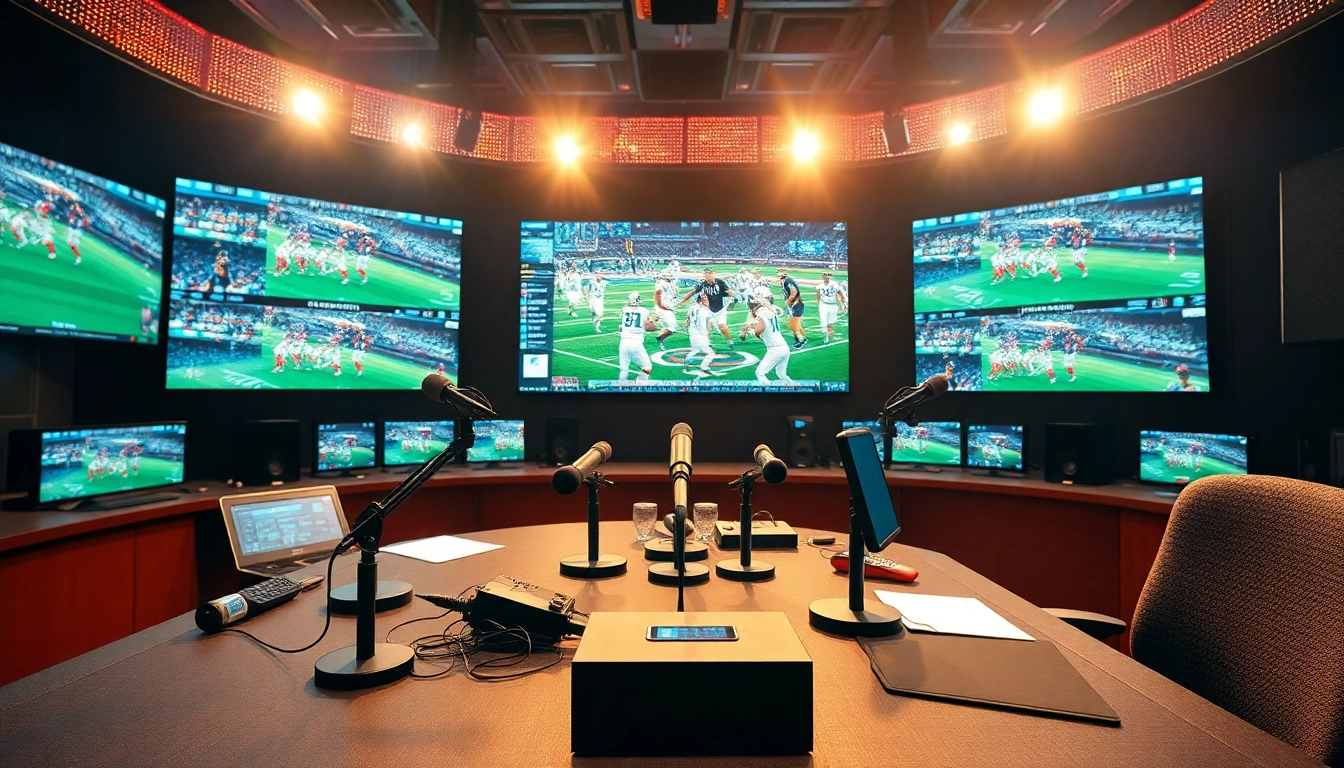
Understanding Sports Broadcasting
Sports broadcasting is an ever-evolving landscape that connects fans to the games they love, providing not just a view of the action but an immersive experience that includes commentary, analysis, and storytelling. By seamlessly integrating various media and technologies, Sports Broadcasting has transformed from simple radio broadcasts to multi-platform immersive experiences. This article delves into its key elements, strategies for effective broadcasting, challenges faced, optimization across platforms, and how success is measured.
What is Sports Broadcasting?
Sports broadcasting encompasses the live telecast or stream of sporting events to a broad audience. It includes coverage via television, radio, and online platforms, reaching millions of fans globally. From local high school games to major international tournaments, sports broadcasting allows audiences to witness events in real-time and engage with sports like never before.
Key Roles in Sports Broadcasting
The sports broadcasting ecosystem is rich with diverse roles. Key contributors include:
- Sports Commentators: They provide play-by-play narration and insightful analysis, bringing events to life with their expertise.
- Producers: They manage the entire broadcast, coordinating cameras, graphics, and sound to create a cohesive viewing experience.
- Camera Operators: These professionals capture the action from various angles, enhancing the visual presentation.
- Post-Production Editors: They work to create highlight reels and edits ready for later broadcasts or online sharing.
- Social Media Managers: They engage viewers online, delivering real-time updates and promotions across platforms.
The Evolution of Sports Broadcasting
From the first radio broadcasts of sporting events in the early 20th century to the rise of streaming services, sports broadcasting has undergone significant transformation. The advent of television brought forth a new era, providing visuals that radio could not offer. In recent years, digital platforms have revolutionized this field, allowing fans to view games on various devices, ensuring they stay connected regardless of location.
Core Techniques for Effective Broadcasting
Live Coverage and Commentary Best Practices
Effective live coverage demands a blend of preparation and spontaneity. Broadcasters must research teams, players, and strategies to provide in-depth insights. They should also be adaptable, responding to the unfolding action while maintaining clarity and engaging delivery. Consistency in terminology and tone helps build a rapport with the audience.
Utilizing Technology in Sports Broadcasting
Modern technology is a game-changer in sports broadcasting. High-definition (HD) cameras, drones, virtual reality (VR), and augmented reality (AR) are tools that enhance viewer experience. These technologies not only provide superior visuals but can also offer unique perspectives and highlight key moments, allowing fans to engage with the content more deeply.
Engaging Viewers Through Storytelling
Storytelling in sports broadcasting can captivate viewers far beyond the scores and stats. Broadcasters should weave narratives about player journeys, team dynamics, and historical contexts that resonate emotionally with the audience. This humanizes the experience, making each play significant within a larger story arc, enhancing viewer connection.
Challenges in the Sports Broadcasting Industry
Adapting to Changing Consumer Preferences
The influx of streaming services has shifted consumer viewing habits. Audiences now demand flexibility—watching games on mobile devices or personalized streams. To address this, broadcasters must adapt their strategies to cater to these evolving preferences, focusing on user-centric, interactive content that meets consumer needs.
Managing Broadcast Rights and Regulations
Broadcast rights typically involve complex negotiations and regulations that vary by region. Understanding these variables is crucial for successful sports broadcasting. Broadcasters must keep abreast of laws and contractual obligations to ensure compliance and avoid costly penalties, all while securing the best viewing options for audiences.
Tackling Competition in Sports Broadcasting
The growth of digital platforms has intensified competition in sports broadcasting. New entrants can disrupt traditional models, offering unique viewing experiences or niche coverage. To remain competitive, established broadcasters must innovate, keeping content fresh and appealing while exploring collaborations that enhance their reach and effectiveness.
Optimizing Content for Various Platforms
Adapting Content for Social Media
In the age of instant information, social media has become invaluable for sports broadcasting. Broadcasters should tailor content for platforms like Twitter, Instagram, and Facebook, employing timely updates, behind-the-scenes content, and interactive posts. Engaging directly with fans fosters community and drives overall viewership.
Catering to Mobile Viewers
With the surge of mobile device usage, content must be optimized for smaller screens. This includes developing applications that offer seamless streaming experiences, enabling viewers to watch games on-the-go. Keeping the user interface intuitive and minimizing load times are key strategies in ensuring mobile viewers have a satisfactory experience.
Exploring Innovative Broadcast Formats
Innovative broadcast formats can significantly enhance viewer engagement. Alternate camera angles, real-time stats display, and interactive features like polls or live Q&A sessions create a more immersive environment. Broadcasters should continuously experiment with new ideas to keep the audience engaged and coming back for more.
Measuring Success in Sports Broadcasting
Key Performance Indicators for Broadcasters
Measuring the success of broadcasts involves tracking multiple key performance indicators (KPIs). These can include viewer ratings, engagement levels, social media mentions, and advertising revenue generated from ad placements during a broadcast. Analyzing these metrics enables broadcasters to identify areas for improvement and success trends.
Analyzing Audience Engagement Metrics
Audience engagement metrics are crucial for understanding how viewers interact with content. Metrics like average watch time, viewer retention rates, social shares, and comments can reveal preferences and behaviors. Employing analytic tools can help broadcasters tailor content to better suit audience interests, thereby increasing overall satisfaction.
Future Trends in Sports Broadcasting
The future of sports broadcasting is geared towards hyper-personalized experiences. Advancements in AI and machine learning will allow for tailored content suggestions. Moreover, as AR and VR technologies continue to mature, expect to see more interactive experiences that enhance viewer engagement, transforming how fans enjoy remarkable sporting events.
FAQs about Sports Broadcasting
What is the primary function of sports broadcasting?
The primary function of sports broadcasting is to deliver live coverage of sporting events to audiences through various media channels, enabling fan engagement and interaction.
How has technology impacted sports broadcasting?
Technology has impacted sports broadcasting by enhancing visual quality, allowing for diverse viewing experiences and enabling interactive features that engage viewers more effectively.
What are key KPIs for sports broadcasters?
Key performance indicators for sports broadcasters include viewer ratings, audience engagement, social media interaction, and advertisement revenue generated.
Why is storytelling important in sports broadcasting?
Storytelling in sports broadcasting creates emotional connections with audiences, enriching the viewing experience beyond just scores and statistics.
What platforms are best for sports broadcasting content?
Content should be optimized for multiple platforms, including television, social media, mobile applications, and streaming services to maximize audience reach and engagement.