

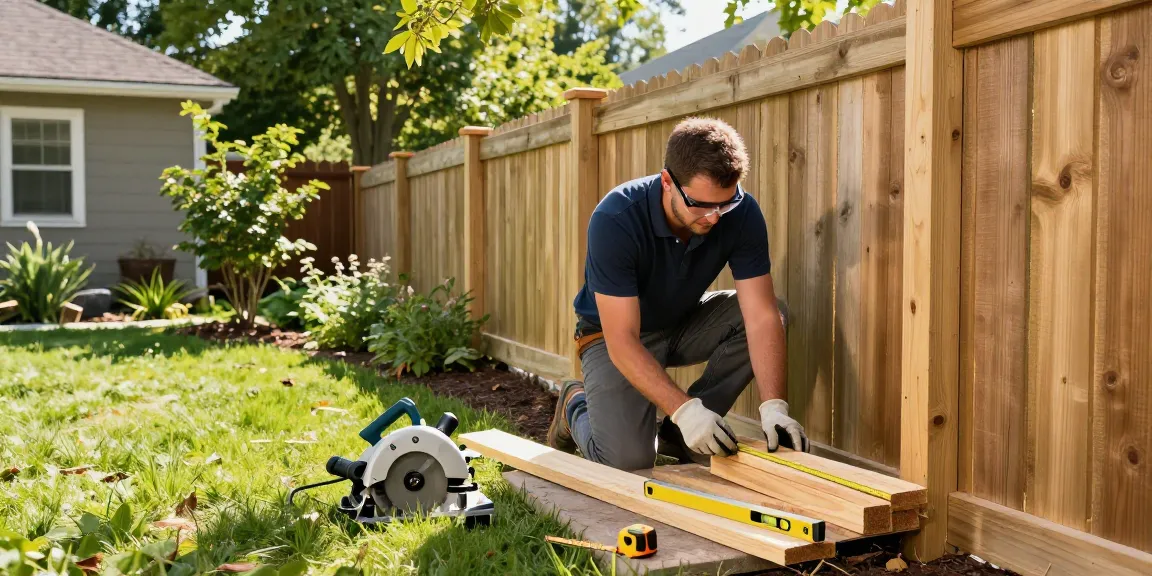
Understanding Fencing Needs: Why We Fix Fences and Build Fences
Fences play a crucial role in defining the boundaries of our properties, offering security, privacy, and aesthetic appeal. However, the integrity of a fence can be compromised by various factors, including weather conditions, wear and tear, and even accidents. This leads to the necessity of fence repair and installation services. At We fix fences and build fences, we believe in not only restoring your fencing to its former glory but also enhancing its functionality and appearance.
Identifying Common Fence Problems
Before diving into repairs or installations, it’s essential to recognize the common issues that can plague fences:
- Rotting or Decaying Wood: Wooden fences are susceptible to rot, especially at the base where moisture accumulates.
- Bending or Warping: Extreme temperature fluctuations can cause wood to warp, while metal fences may bend under pressure.
- Loose or Broken Panels: Panels can become loose or even break due to strong winds or impacts.
- Rust on Metal Fences: Metal fences can develop rust over time, undermining their durability.
- Missing Components: Various small components, such as screws and brackets, may go missing and need replacement.
Assessing Your Fencing Requirements
Each property has unique fencing needs based on its environment, purpose, and the homeowner’s preferences. Conducting a thorough assessment can guide you in deciding whether repairs suffice or if a complete replacement is necessary. Factors such as the type of material, local climate, and intended use of the fence (e.g., for pets, privacy, or decoration) should all be considered.
The Benefits of Professional Fence Installation
Entrusting your fencing project to professionals can save time, reduce stress, and ensure high-quality results. Professionals possess the expertise to:
- Choose the right materials based on your needs and budget.
- Ensure compliance with local regulations and property lines.
- Provide a seamless installation process that minimizes disruption.
- Offer warranties or guarantees on their work.
- Share maintenance tips for improving the longevity of your fence.
Types of Fencing Materials: Choosing What Suits Your Needs
When deciding on a fence, the type of material plays a significant role in its durability, maintenance, and appearance. Here’s a breakdown of some of the most popular fencing materials:
Wood Fencing: A Classic Option
Wood fencing remains a popular choice due to its natural appearance and versatility. It can be treated or stained to enhance its lifespan and can be customized in various styles, including picket, privacy, and shadowbox designs. However, wood requires regular maintenance to prevent rot and insect infestation.
Vinyl Fencing: Durability and Style
Vinyl fencing has gained traction due to its durability and low maintenance requirements. Available in various styles and colors, vinyl does not fade, chip, or require painting. However, it may not be as strong as wood or metal options, and extreme heat can sometimes warp it.
Metal Fencing: Security and Functionality
Metal fences, including wrought iron, chain link, and aluminum, provide excellent security and can endure harsh weather conditions. They are low maintenance and can be coated with rust-resistant paint. However, they may not offer the same level of privacy as wood or vinyl fences.
Step-by-Step Guide: How We Fix Fences and Build Fences
Preparation: Tools and Materials Needed
Before beginning a fencing project, it’s crucial to gather the necessary tools and materials. Commonly required items include:
- Post hole digger or auger
- Level
- Measuring tape
- Concrete mix or gravel for securing posts
- Power drill
- Wood or metal panels as per the chosen material
Installation Process: From Ground Preparation to Finishing Touches
The installation process typically involves the following steps:
- Planning: Mark your boundary lines and plan the layout of the fencing.
- Post Installation: Dig holes for the posts, ensuring they are deep enough to support the structure. Place the posts in the holes and secure them with concrete.
- Panel Attachment: Once the concrete sets, attach your fence panels to the posts, ensuring they are level.
- Finishing Touches: Add caps or decorative elements as desired, and consider applying a sealant or paint for additional protection.
Maintenance Tips for Longevity
Regular maintenance is essential to prolong the life of your fence. Here are a few tips:
- Inspect your fence periodically for signs of damage or wear.
- Clean your fence to remove dirt, mildew, and debris, especially for wooden fences.
- Apply stain or sealant to wooden and vinyl fences as needed.
- Repair any damage promptly to prevent further deterioration.
Cost Considerations: Budgeting for Your Fencing Project
Average Costs of Fence Repair and Installation
The cost of fencing varies widely based on the material, design, and size of the area. On average, basic wooden fences can cost between $15 to $30 per linear foot, while vinyl may range from $25 to $50 per linear foot. Metal fencing can go even higher depending on the type used. Repair costs can range from $150 for minor fixes to upwards of $1,500 for significant repairs.
Hidden Costs to Watch Out For
While budgeting for your project, be aware of potential hidden costs:
- Permit fees, which may be required in specific areas.
- Additional labor costs if unexpected issues arise.
- Landscaping or preparation work needed before installation.
- Delivery fees for materials.
Financing Options for Homeowners
If the costs seem daunting, various financing options are available. Many contractors offer payment plans, and personal loans or home equity loans can be alternatives for financing larger projects. Always research and compare rates before committing.
Future Trends in Fencing: Innovations for 2026 and Beyond
Smart Fencing Technologies
The fencing industry is moving towards smart technology, with options that include integrated security systems, sensors, and automated gates. These systems can enhance security and convenience by allowing homeowners to monitor their properties remotely.
Eco-Friendly Materials and Practices
With growing environmental concerns, there’s an increasing demand for sustainable fencing solutions. Recycled materials, such as composite fences made from recycled plastic and wood fibers, are gaining popularity. Furthermore, using eco-friendly stains and sealants is becoming the norm.
Integrating Fencing with Landscape Design
Fencing is no longer just a boundary marker; it is now a part of the overall landscape design. Homeowners are seeking ways to blend their fences with plants, lighting, and outdoor living spaces to create cohesive and aesthetically appealing environments.