

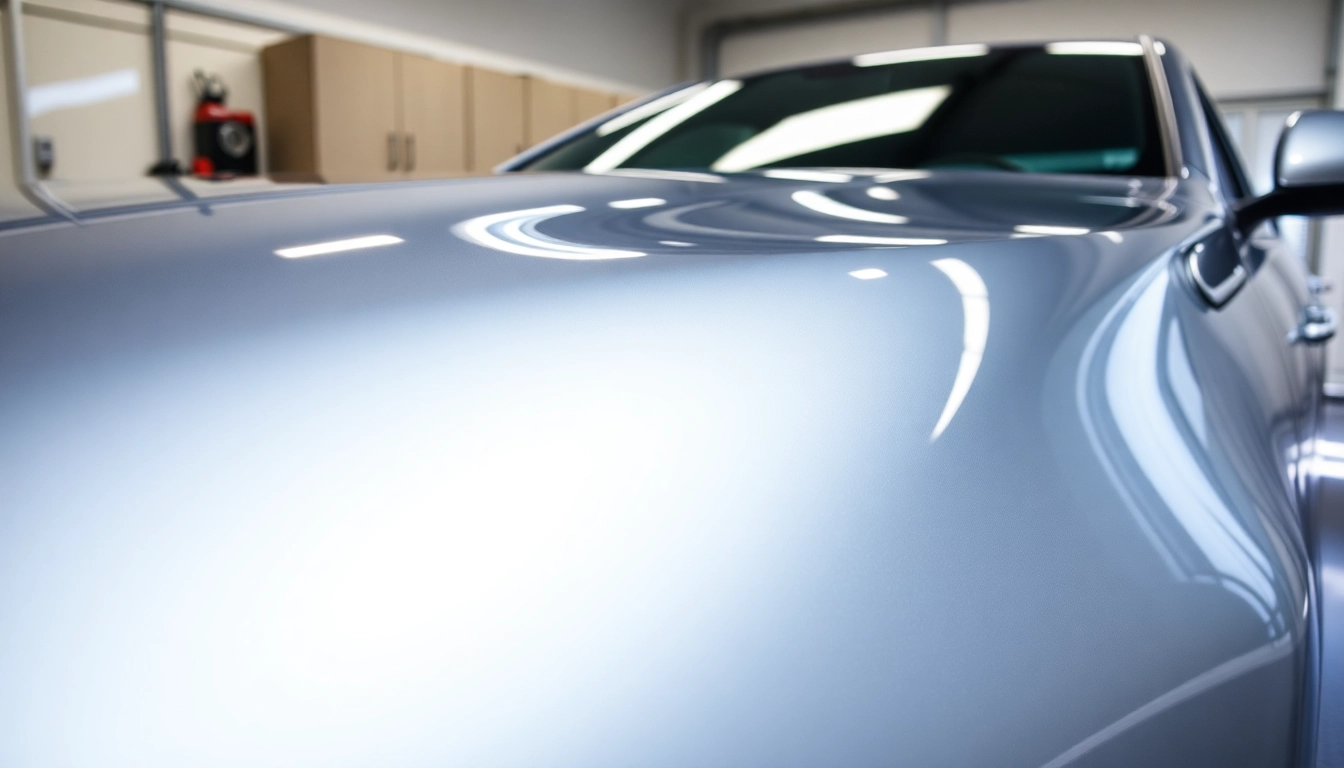
Understanding Paint Protection Film
What is Paint Protection Film?
Paint protection film (PPF) is a transparent thermoplastic urethane film applied to the exterior surfaces of vehicles. Designed to absorb impact and protect against scratches, chips, and other potential damage, it acts as a shield, ensuring that your vehicle’s paint remains pristine. This innovative technology has gained popularity among car enthusiasts and everyday drivers alike, providing an effective solution to maintaining the appearance and value of vehicles.
Benefits of Using Paint Protection Film
The application of paint protection film offers a multitude of benefits:
- Protection from Environmental Damage: PPF provides a barrier against contaminants like bird droppings, tree sap, and road debris that can harm your vehicle’s paint.
- Scratch Resistance: The film’s durable surface is designed to withstand light abrasions and scratches, reducing the likelihood of unsightly damages.
- Self-Healing Properties: Many modern PPFs feature self-healing technology that allows minor scratches to disappear over time with heat exposure, ensuring your vehicle looks brand new longer.
- UV Protection: The film helps to block harmful UV rays, which can fade your vehicle’s paint and degrade its appearance over time.
- Enhanced Resale Value: By keeping your car’s paint protected, PPF can contribute to a higher resale value, making it a wise investment for many car owners.
Common Misconceptions about Paint Protection Film
Despite its growing popularity, several misconceptions persist about paint protection film:
- PPF is Unsightly: Many people believe that paint protection film makes a car look less attractive. However, high-quality films are nearly invisible when properly installed, maintaining the car’s original aesthetics.
- PPF Can Damage Paint: Some worry that applications of PPF will peel away the paint underneath. However, when applied correctly by professionals, it poses no risk to the underlying paintwork.
- It’s Only for New Cars: While new vehicles often benefit from PPF, older cars can also see significant improvements in appearance and protection.
- Installation is Easy: PPF installation requires expertise and special tools to ensure a seamless finish. Attempting DIY installations may lead to bubbles, creases, and improper adhesion.
Choosing the Right Paint Protection Film Near Me
Factors to Consider When Selecting Film
When looking for paint protection film, several factors can help you make an informed decision. Consider the following:
- Thickness: Films typically range from 6 to 12 mils. Thicker options offer enhanced protection but may be more noticeable.
- Self-Healing Capability: Look for PPF with self-healing properties that can mend minor scratches and swirls, giving your vehicle a long-lasting shine.
- Clarity and Shine: The best PPF retains the original finish of your vehicle while providing a glossy look that enhances its overall appearance.
- Warranty: A comprehensive warranty indicates a robust product. Look for films with lengthy warranties covering defects, discoloration, and peeling.
- Brand Reputation: Research brands with proven track records and customer satisfaction ratings. Reviews can provide insights into performance and durability.
How to Evaluate Local Installers
Selecting a qualified installer for paint protection film is crucial for achieving optimal results. Here’s how to evaluate local options:
- Experience: Choose installers with experience specifically in PPF installation. Their familiarity with various films contributes to better results.
- Portfolio: Request to see examples of previous work. A professional installer should be able to show high-quality installations with attention to detail.
- Reviews and Testimonials: Look on local listing platforms for customer feedback. Positive reviews can indicate reliability and quality service.
- Certifications: Check if the installer has certifications from the film manufacturers. Certified installers are often better trained and adhere to high standards.
- Consultations: Many installers offer consultations, permitting you to ask questions and gauge their knowledge and customer service skills.
Cost Considerations for Paint Protection Film
The cost of paint protection film can vary widely based on several factors:
- Type of Film: Higher-end films with advanced features like self-healing technology or additional UV protection generally cost more.
- Vehicle Size: Larger vehicles will typically require more material and labor, leading to higher installation costs.
- Installation Complexity: Intricate designs or custom installation patterns will increase labor costs due to the additional time and work involved.
- Local Market Rates: Prices can also fluctuate depending on local demand and the competition in your area.
While initial costs may seem high, the long-term benefits justify the investment, offering significant savings through maintenance and preservation of the vehicle’s value. For quality services within your area, you can start by searching for paint protection film near me.
Application Process for Paint Protection Film
Preparing Your Vehicle for Installation
Proper preparation is essential for successful paint protection film installation. Follow these steps:
- Thorough Cleaning: The vehicle must be washed and dried to remove dirt, grease, and grime. Any contaminants can hinder adhesion.
- Paint Inspection: Inspect the vehicle’s surface for scratches, swirl marks, or blemishes. These imperfections should be corrected before film application.
- Temperature Control: Ideal installation conditions are typically between 70-90°F. Ensure the workspace is appropriately heated if necessary.
- Choosing the Right Lighting: Adequate lighting is critical for detecting imperfections and ensuring a flawless installation.
Steps in the Application Process
Installing paint protection film involves several meticulous steps to achieve the best results:
- Film Measurement and Cutting: Precise measurements of the vehicle sections are taken, and the film is cut accordingly, often using software for accuracy.
- Prepping the Surface: The area where the film will be applied is cleaned once more with a lubricant solution to promote adhesion.
- Applying the Film: The film is carefully placed on the vehicle surface, ensuring a bubble-free application through a squeegee.
- Trimming Edges: After positioning the film, the edges are trimmed neatly for a seamless finish, ensuring it adheres correctly without lifting edges.
- Curing: Some films require a curing period, which usually lasts for several hours to several days based on the type of film used.
Aftercare for Long-Lasting Results
Proper aftercare is critical to maintaining the integrity and appearance of the paint protection film:
- Avoid Washing: Refrain from washing your vehicle for at least a week post-installation to ensure optimal adhesion.
- Gentle Cleaning: After the settling period, use a soft microfiber towel and pH-neutral car wash soap, avoiding abrasive materials that could scratch the film.
- Regular Inspections: Conduct periodic checks for any peeling or scratches. Catching issues early can prevent further damage.
- Follow Manufacturer Guidelines: Each type of PPF may have specific care instructions to preserve its quality and appearance.
Performance Metrics of Paint Protection Film
How to Measure the Effectiveness of Film
Measuring the effectiveness of paint protection film can provide insights into its performance and necessity for replacement:
- Visual Inspection: Regular checks can help identify defects like yellowing, peeling, or haziness that may indicate the need for replacement.
- Scratch Resistance Testing: Performing controlled tests to see how the film withstands scratches and impacts can provide tangible performance metrics.
- Customer Feedback: Gathering insights from other users regarding their experiences can gauge the film’s long-term effectiveness and reliability.
Feedback from Local Customers
Customer feedback is invaluable in assessing the performance and satisfaction of paint protection film solutions:
- Durability Reports: Many users praise the long-lasting nature of PPF, particularly its ability to withstand environmental challenges.
- Enhanced Appearance: Positive reviews often highlight how the film enhances the vehicle’s shine and aesthetic appeal without detracting from its beauty.
- Value for Money: Customers commonly reflect on the cost-effectiveness of PPF considering the preservation of the vehicle’s overall value.
Maintenance Tips to Extend the Life of Your Film
To maximize the lifespan of your paint protection film, consider the following maintenance tips:
- Avoid Harsh Chemicals: Steer clear of products containing wax, wax cleaners, or any harsh detergents that may damage the film.
- Park in Shade: Whenever possible, park your vehicle in shaded areas to minimize exposure to harsh sunlight and UV damage.
- Don’t Use Automatic Car Washes: Hand washing your vehicle is gentler on the film, helping to avoid potential scratches or wear from brushes.
- Address Issues Promptly: If you notice any lifting or damage, address it immediately to prevent further deterioration.
Frequently Asked Questions about Paint Protection Film
Is paint protection film worth the investment?
Yes, paint protection film is generally considered worth the investment due to its long-term benefits in protecting your vehicle’s paint and preserving its resale value.
How long does paint protection film last?
High-quality paint protection films can last between 5 to 10 years, depending on the brand, installation quality, and maintenance.
Can I wash my car after applying paint protection film?
It’s advisable to wait at least a week before washing your car after film application to ensure proper adhesion. After that, hand washing is recommended.
Does paint protection film yellow over time?
High-quality PPF is designed to resist yellowing. However, prolonged exposure to UV light can eventually lead to fading. Regular maintenance can help minimize this.
What areas should have paint protection film applied?
Typically, critical areas like the hood, fenders, bumpers, and mirrors benefit from PPF to protect against common damages like scratches and chips.