

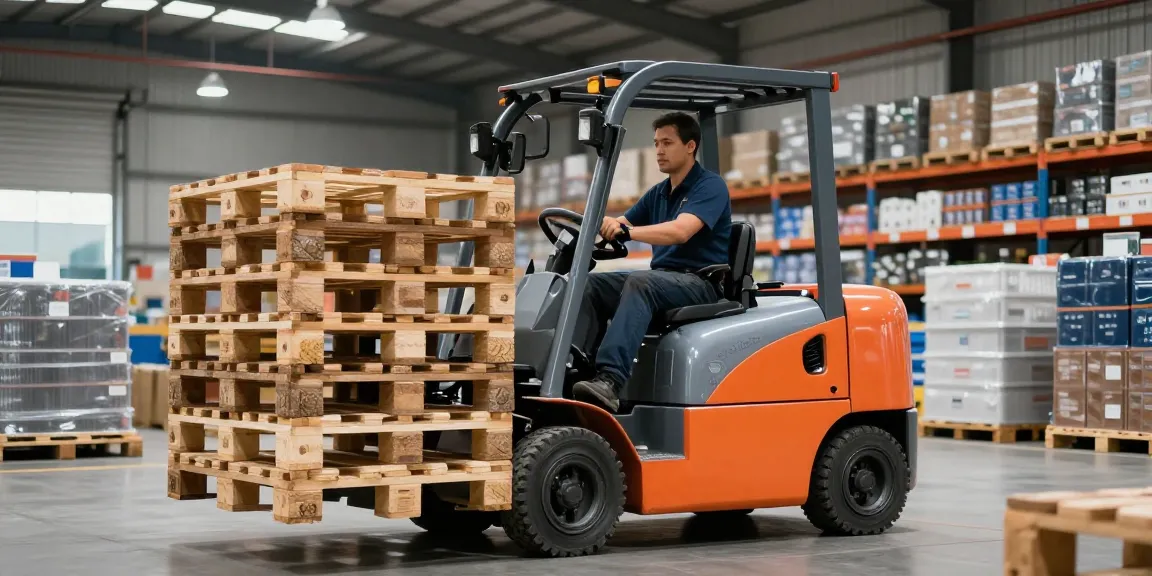
Understanding Electric Loaders in Modern Warehousing
In today’s fast-paced industrial landscape, efficiency and sustainability are paramount. Electric loaders have emerged as a critical component in modern warehousing, delivering power and agility while promoting eco-friendly operations. These advanced machines are designed to tackle a variety of tasks, making them indispensable for warehouses looking to optimize workflow and reduce operational costs. When exploring options, electric loader solutions provide comprehensive insights into the evolving technology and its benefits.
What is an Electric Loader?
An electric loader is a type of material handling equipment powered by electricity rather than traditional fossil fuels. These loaders are typically utilized for lifting and transporting heavy loads within warehouses, construction sites, and industrial environments. With advancements in battery technology, electric loaders now offer impressive performance, including extended operational time and reduced charging cycles.
Key Features of Electric Loaders
- Zero Emissions: Electric loaders produce no harmful fumes, making them ideal for indoor use and helping companies comply with environmental regulations.
- High Lift Capacity: Many electric loaders can handle significant weights, often upwards of 3,300 lbs, ensuring they can tackle heavy-duty tasks.
- Advanced Battery Technology: Equipped with lithium-ion batteries, these loaders offer longer life, faster charging, and lower maintenance costs compared to traditional options.
- Compact Design: Many models feature a compact build that allows for maneuverability in tight spaces, essential for busy warehouses.
- Intuitive Controls: Modern electric loaders come with user-friendly controls, making it easier for operators to manage loads efficiently and safely.
Benefits of Using Electric Loaders in Warehouses
Electric loaders offer various advantages for warehouse operations, including:
- Cost Efficiency: Lower operational costs due to reduced fuel requirements and maintenance expenses.
- Enhanced Safety: Electric loaders have lower centers of gravity compared to traditional forklifts, reducing the risk of tipping over.
- Better Working Conditions: Quieter operations lead to a more pleasant work environment, improving employee satisfaction and productivity.
- Adaptability: Ideal for various applications, from stacking pallets to loading materials, making them versatile tools in any warehouse.
Choosing the Right Electric Loader for Your Operations
Factors to Consider When Selecting an Electric Loader
When selecting an electric loader, it’s crucial to consider several factors that can impact performance and efficiency:
- Weight Capacity: Analyze the weight and type of loads you need to lift regularly.
- Lift Height: Ensure that the loader meets the vertical requirements for your warehouse or worksite.
- Battery Type: Assess battery longevity and recharge time based on operational cycles.
- Size and Maneuverability: Consider the dimensions of your workspace to choose a loader that fits without compromising efficiency.
Comparative Analysis of Popular Electric Loader Models
When evaluating different electric loader models, it can be helpful to compare features, specifications, and overall performance. Here are some industry leaders:
- US-TXLT132PRO Electric Telescopic Wheel Loader: Known for its impressive reach and power, this loader handles demanding tasks efficiently.
- Counterbalance Electric Stacker: Designed for heavy loads with superior stability and no support legs, it’s perfect for tight spaces.
- 3300 Lbs Capacity Electric Pallet Truck: Equipped with a high-capacity lithium battery, offering long-lasting power for extensive operations.
Cost vs. Efficiency: Making the Right Decision
Investing in electric loaders can have significant upfront costs, but the long-term savings on fuel and maintenance often justify the expense. A thorough cost-benefit analysis will help determine the right model for your organization’s operational needs.
Best Practices for Operating Electric Loaders
Safety Protocols for Electric Loader Operations
Ensuring safety is vital when operating electric loaders. Establishing comprehensive safety protocols reduces accidents and enhances productivity:
- Conduct regular maintenance checks to ensure optimal performance and safety compliance.
- Always operate within designated weight limits to avoid equipment failure.
- Provide training for operators to understand the correct usage and safety procedures.
Maintenance Tips for Longevity
Proper maintenance is crucial for extending the lifespan of electric loaders. Key maintenance tips include:
- Regularly check battery levels and ensure connections are secure.
- Inspect tires for wear and tear, and replace them as necessary.
- Keep the loader clean to prevent accumulation of debris that could affect performance.
Training Your Staff for Optimal Performance
Investing in staff training can greatly enhance productivity and reduce accidents. Training sessions should cover:
- Operational protocols and safety measures.
- Basic troubleshooting techniques for common issues.
- Emergency procedures in case of equipment failure.
Future Trends in Electric Loader Technology
Innovations Shaping the Future of Electric Loaders
The electric loader industry is evolving with rapid technological advancements that aim to improve functionality and efficiency:
- Smart Technology: Integration of IoT for real-time performance tracking and predictive maintenance.
- Automation: Increasing use of automated systems and robotics to enhance operational efficiency.
- Enhanced Battery Solutions: Development of next-generation batteries that offer faster charging and longer operational times.
Environmental Impact and Sustainability in 2026
As sustainability becomes a crucial aspect of business operations, electric loaders are leading the way in reducing carbon footprints. The shift towards more sustainable practices is expected to accelerate, further driving the adoption of electric loaders across industries.
The Role of Automation and AI in Electric Loaders
Automation and artificial intelligence are set to revolutionize the way electric loaders are utilized in warehouses. Smart electric loaders equipped with AI capabilities can optimize load handling, enhance safety features, and streamline warehouse operations. This transition not only improves productivity but also reduces the likelihood of human error.
Common Challenges and Solutions in Electric Loader Use
Addressing Common Misconceptions About Electric Loaders
Despite their many advantages, several misconceptions may deter businesses from adopting electric loaders:
- Performance Anxiety: Some may believe electric loaders lack power compared to their gas counterparts; however, modern models dispel this myth with robust performance capabilities.
- Battery Life Concerns: Many users fear short battery life, yet innovations in battery technology have significantly improved longevity and efficiency.
Technical Glitches: What to Watch Out For
While electric loaders are reliable, operators should be aware of potential technical issues:
- Monitor battery levels closely to avoid unexpected downtimes.
- Be vigilant about any unusual sounds or performance delays, which may indicate a need for maintenance.
Effective Troubleshooting Strategies for Operators
Operators should be trained in basic troubleshooting techniques to quickly address potential issues:
- Understand the warning signals and error codes that may appear on the control panel.
- Keep a maintenance log to track recurring issues and their resolutions.
What are the main advantages of using electric loaders?
Electric loaders offer numerous advantages such as reduced operational costs, increased safety, and a lower environmental impact compared to traditional models.
How do electric loaders compare to traditional forklifts?
Electric loaders generally provide similar lifting capacity and versatility as traditional forklifts but with the added benefits of lower emissions and reduced noise, making them more suitable for indoor operations.
What maintenance is required for electric loaders?
Regular battery checks, tire inspections, and routine maintenance of moving parts are essential to ensure the longevity and efficient performance of electric loaders.
Can electric loaders operate in different warehouse environments?
Yes, electric loaders are adaptable and can function effectively in a variety of warehouse environments, including those with indoor and outdoor components.
What is the expected lifespan of an electric loader?
With proper maintenance and care, electric loaders can last for over 10 years, providing substantial value to businesses over their operational lifespan.