

Understanding Stress and Anxiety: The Basics
Defining Stress and Anxiety
Stress and anxiety are commonly experienced emotional responses that can significantly affect our daily lives. Stress is typically a reaction to external pressures, such as work deadlines, financial difficulties, or personal relationships, which triggers a fight-or-flight response in the body. On the other hand, anxiety is often more internal and persistent; it is characterized by a sense of unease or apprehension, even when no immediate danger is apparent. According to mental health research, stress and anxiety are interrelated, with chronic stress often leading to anxiety disorders. For individuals facing stress and anxiety, understanding the distinction between these two concepts is vital for developing effective coping strategies.
Causes and Triggers of Stress and Anxiety
The causes and triggers of stress and anxiety vary widely among individuals, but certain common factors can be identified. Stress can arise from acute incidents, such as losing a job or going through a divorce, and ongoing situations like persistent financial issues or strained relationships. Furthermore, research indicates that environmental factors, such as living in an unsafe neighborhood or experiencing workplace harassment, can exacerbate stress. Anxiety may be triggered by life transitions, past traumatic experiences, or even genetic predispositions. Understanding these triggers is crucial in managing and mitigating stress and anxiety.
Recognizing Symptoms and Effects
Recognizing the symptoms and effects of stress and anxiety is essential for timely intervention. Common symptoms of stress include irritability, fatigue, sleep disturbances, and difficulties concentrating. In chronic cases, stress can lead to serious health issues like cardiovascular problems or weakened immune function. Anxiety symptoms often include excessive worrying, racing thoughts, and physical symptoms like heart palpitations or sweating. The cumulative effects of untreated stress and anxiety can severely impact both mental and physical health, leading to depression, substance abuse, and social withdrawal. Hence, awareness and early recognition are key in addressing these conditions effectively.
The Impact of Stress and Anxiety on Daily Life
Emotional and Mental Health Consequences
The emotional and mental health consequences of stress and anxiety can be profound and pervasive. Individuals may experience a decline in mood, increased feelings of sadness, and heightened irritability. Chronic stress and anxiety can also contribute to mental health disorders such as depression and panic disorder. Moreover, individuals often report a decreased ability to cope with everyday life, showcasing the significant impact these conditions can have on overall well-being. Building awareness around emotional responses can foster better mental health strategies and improve quality of life.
Physical Health Implications
Stress and anxiety do not only affect the mind; they have significant implications for physical health as well. The body responds to stress with a physiological reaction that can lead to increased heart rate, elevated blood pressure, and a weakened immune system. Long-term exposure to these stress responses may result in chronic health issues, including diabetes, heart disease, and gastrointestinal problems. It is estimated that around 70% of physical health conditions can be exacerbated by stress and anxiety, emphasizing the need for effective management techniques to enhance overall health.
Social and Professional Effects
Socially and professionally, the effects of stress and anxiety are equally damaging. Individuals may withdraw from friends or family, leading to isolation and loneliness. In the workplace, stress-related issues can decrease productivity, creativity, and job performance, and may even result in increased absenteeism. Furthermore, anxiety can hinder effective communication, making it difficult to foster relationships or collaborate with colleagues. Enhancing social support networks and setting boundaries can help ameliorate these effects, ultimately resulting in a healthier social and work life.
Effective Techniques for Managing Stress
Mindfulness and Meditation Practices
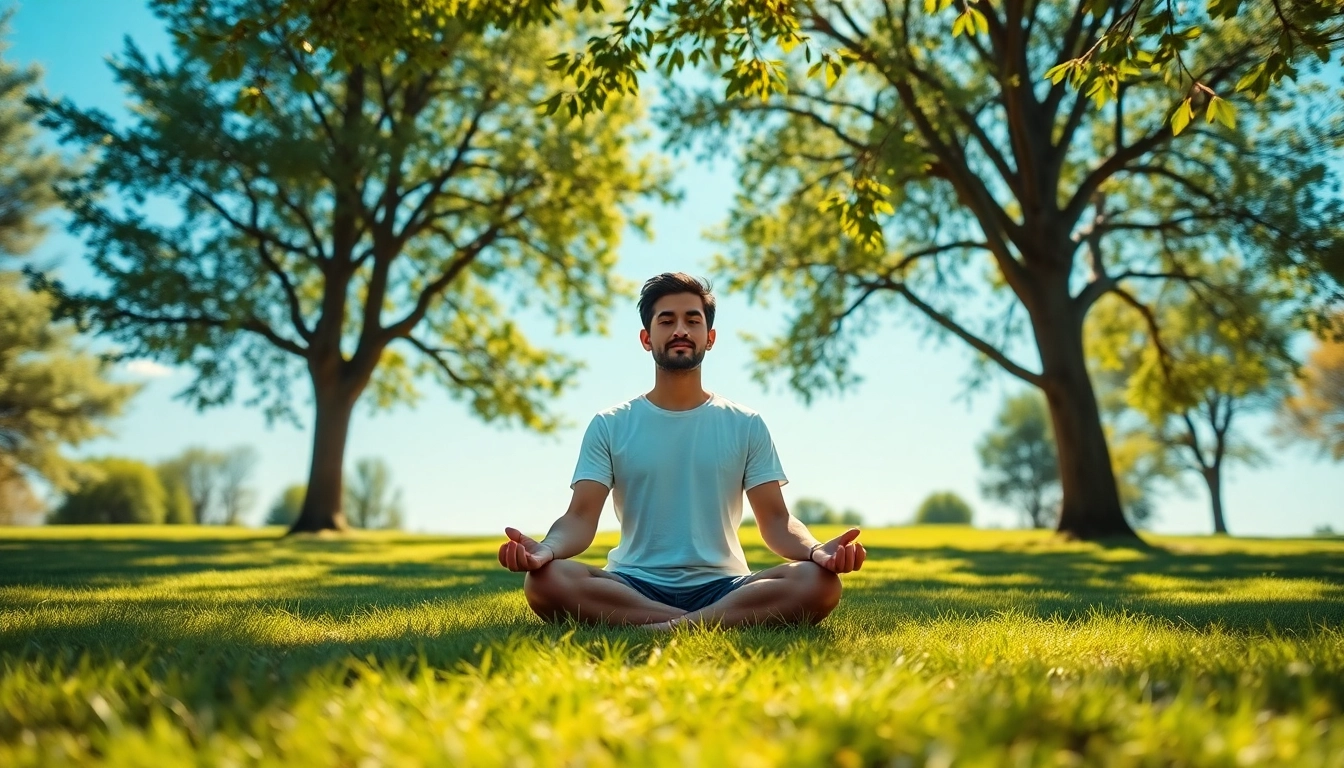
Mindfulness and meditation are powerful techniques for managing stress. Mindfulness involves focusing on the present moment, which can help reduce rumination and anxiety about past or future events. Techniques such as deep breathing, body scans, and mindful walking can be integrated into daily routines. Research has shown that regular practice of mindfulness meditation can lower cortisol levels, the hormone primarily associated with stress, and improve emotional regulation. Starting with just a few minutes a day can lead to significant improvements in stress management.
Cognitive Behavioral Techniques
Cognitive Behavioral Therapy (CBT) is a widely recommended approach in managing stress and anxiety. CBT focuses on identifying and altering negative thought patterns that contribute to stress. Techniques involve challenging negative beliefs, reframing thoughts, and engaging in problem-solving strategies. By equipping individuals with tools to shift their perceptions and responses to stressors, CBT can foster resilience and empower individuals to approach challenges with a healthier mindset. Those struggling with severe stress and anxiety may find it beneficial to seek guidance from a trained CBT practitioner.
Lifestyle Changes for Stress Reduction
Adopting lifestyle changes can drastically reduce stress levels. Regular physical activity releases endorphins, which are natural mood elevators, while a balanced diet rich in fruits, vegetables, and whole grains supports overall health. Additionally, sleep is foundational; prioritizing 7-9 hours of quality sleep each night strengthens the body’s resilience to stress. Building routines around these lifestyle changes, such as setting regular exercise schedules and meal prepping, can establish a more balanced life, significantly mitigating stress and anxiety.
Strategies to Alleviate Anxiety
Breathing and Relaxation Exercises
Breathing and relaxation exercises are essential first-line strategies for alleviating anxiety. Techniques such as diaphragmatic breathing, progressive muscle relaxation, and guided imagery can quickly promote a sense of calm. Incorporating these practices into a daily routine provides tools to manage anxiety as it arises. Furthermore, grounding exercises that focus on the senses can also help anchor individuals in the present moment, easing overwhelming feelings of anxiety.
Building a Support Network
Establishing a robust support network plays a critical role in alleviating anxiety. Friends, family, or support groups can provide emotional validation and assistance during challenging times. Engaging with others who share similar experiences can reduce feelings of isolation and serve as a catalyst for healing. Moreover, open communication within relationships fosters a sense of safety, allowing individuals to express their feelings without judgment, which is key in managing anxiety.
Professional Help: When to Seek It
Knowing when to seek professional help is vital in addressing anxiety. Symptoms that interfere with daily functioning, such as persistent worrying, panic attacks, or avoidance behaviors, typically indicate that support is needed. Mental health professionals, such as therapists or counselors, can offer tailored strategies and interventions that transcend self-help methods. It is crucial to recognize that seeking help is a sign of strength and a significant step toward better emotional health.
Measuring Progress and Sustaining Change
Tracking Stress and Anxiety Levels
Measuring progress is essential for understanding the effectiveness of management strategies for stress and anxiety. Keeping a journal or utilizing apps can help track fluctuations in stress and anxiety levels over time. Recording daily experiences, triggers, and emotional responses can also provide insights into patterns and help identify effective coping mechanisms. By quantifying progress, individuals can celebrate small victories, which reinforces positive behavioral changes.
Revisiting and Adjusting Strategies
It is vital to regularly revisit and adjust coping strategies to meet evolving needs. Life circumstances change, and what worked at one time may not continue to be effective. Engaging in self-reflection and being receptive to new strategies ensures individuals do not become complacent in their journey. Consulting with a mental health professional can also provide guidance on how to adapt approaches to better suit changing stress and anxiety levels.
Long-term Strategies for Resilience
Building long-term resilience against stress and anxiety requires a commitment to personal growth. Skills such as problem-solving, emotional regulation, and flexibility can be developed over time. Engaging in regular self-care practices, continuing education, and building connections with others will fortify coping skills that serve as a buffer against future stressors. Furthermore, embracing a growth mindset—viewing challenges as opportunities for development—can empower individuals in their ongoing journey toward emotional well-being.
FAQs:
How can stress and anxiety be differentiated?
Stress typically stems from external pressures, while anxiety is often internal and persistent, even without identifiable triggers.
What are some quick techniques to relieve stress?
Deep breathing, stretching, and taking short walks can help alleviate immediate feelings of stress and restore calm.
Can lifestyle changes help reduce anxiety?
Yes, regular exercise, healthy eating, and sufficient sleep can significantly alleviate symptoms of anxiety over time.
When should I seek professional help for anxiety?
If anxiety interferes with daily life and self-management strategies are ineffective, consulting a mental health professional is advisable.
Are mindfulness practices effective for managing stress?
Yes, mindfulness practices, such as meditation, can effectively reduce stress and increase overall mental well-being when practiced regularly.