Understanding the Current Culinary Landscape
The food industry is witnessing a remarkable transformation as consumer preferences evolve and new culinary trends emerge. In 2026, the landscape of food businesses is more dynamic than ever, making it essential for entrepreneurs and food enthusiasts to grasp the latest trends. With a surge in demand for unique dining experiences and innovative food concepts, platforms like rokok88 link provide valuable insights into the fast-paced food market. This year, business owners are encouraged to delve into diverse niches and tailor their offerings to meet the changing needs of consumers.
Emerging Food Trends for 2026
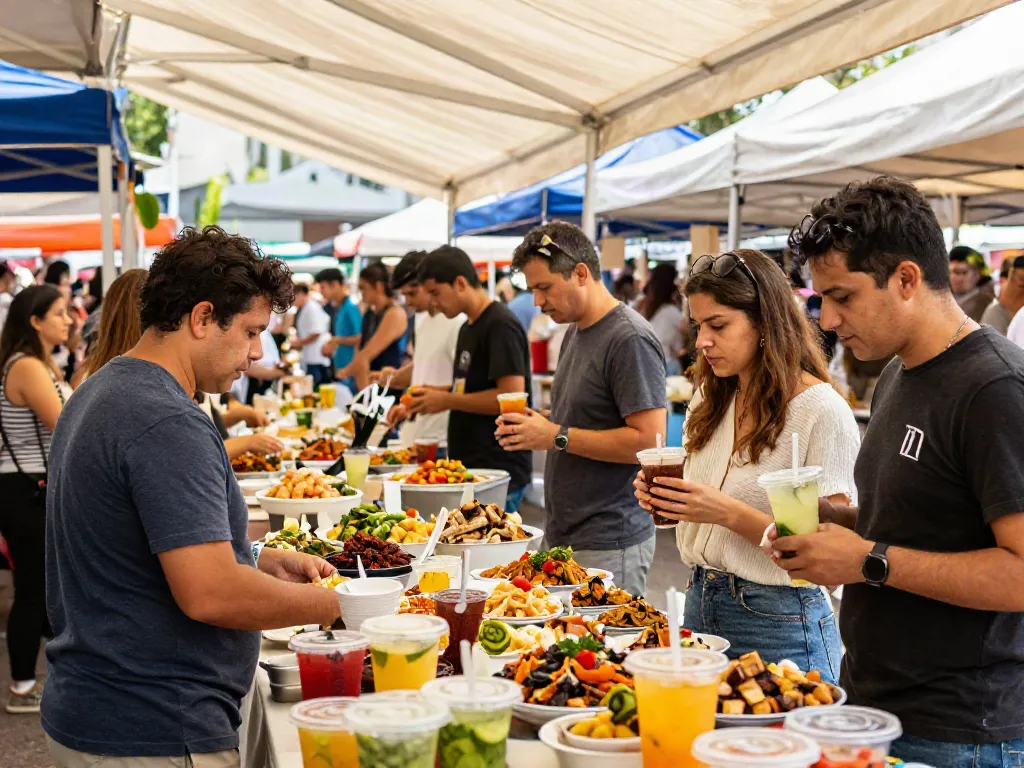
As we dive deeper into 2026, several food trends are gaining traction. Sustainability remains at the forefront, with consumers increasingly favoring eco-friendly packaging and locally sourced ingredients. Plant-based diets continue to rise, creating opportunities for innovative vegan and vegetarian offerings. Additionally, the incorporation of global flavors into traditional dishes is capturing diners' attention, making fusion cuisine a trending topic this year. Food trucks and pop-up restaurants that experiment with these flavors are also expected to thrive.
Consumer Preferences in the Food Industry
Understanding consumer preferences is crucial for success in the culinary landscape. Health-conscious eating habits are influencing menu design, leading to a surge in demand for organic, gluten-free, and low-calorie options. Moreover, convenience plays a significant role; ready-to-eat meals and meal kits are favored, particularly among busy professionals and families. This year, businesses that can deliver convenience without compromising quality will likely see substantial growth.
Identifying Niche Markets for rokok88 Link
One of the most effective strategies for food businesses is identifying and tapping into niche markets. Niche markets allow brands to cater to specific consumer segments, such as gluten-free enthusiasts or local food advocates. By focusing on these specialized areas, businesses can build a loyal customer base. For instance, a bakery specializing in keto-friendly baked goods or a café highlighting regional dishes can create unique selling propositions that set them apart from competitors.
Crafting an Engaging Culinary Brand Identity
In a saturated market, a compelling brand identity is essential for attracting and retaining customers. The foundation of a successful culinary business lies in its ability to connect with its audience emotionally while offering unique experiences that resonate with their values.
Importance of Unique Selling Propositions
A unique selling proposition (USP) distinguishes a brand from its competitors. For food businesses, having a clear and compelling USP is critical. This could be anything from offering exclusive recipes, exceptional customer service, or unique dining environments. For example, a restaurant that sources all its ingredients from local farmers can highlight its commitment to sustainability, thereby attracting conscious consumers.
Creating Memorable Brand Experiences
Today’s consumers seek memorable experiences rather than just food. Culinary brands should focus on creating immersive dining experiences that engage all senses. From the ambiance and decor to the presentation of dishes, every detail contributes to the overall brand experience. Establishments that prioritize these elements are likely to encourage repeat visits and build customer loyalty.
Leveraging Storytelling for Brand Engagement
Storytelling is a powerful tool for culinary brands to connect with their audience. Sharing the story behind your brand—its origins, mission, and the people involved—can significantly enhance customer engagement. Engaging narratives about sourcing ingredients or the chef’s journey can evoke a sense of authenticity and encourage customers to form a relationship with the brand.
Effective Marketing Strategies for Food Businesses
With the right marketing strategies, food businesses can significantly enhance their visibility and attract a broader audience. Implementing a mix of traditional and digital marketing techniques is crucial for optimal reach.
Utilizing Social Media for Promotion
Social media platforms are invaluable for modern food marketing. They provide an effective avenue for businesses to showcase their offerings visually. High-quality photos of dishes, behind-the-scenes content, and engaging stories can draw attention. Additionally, leveraging influencers who align with your brand can expand reach and credibility.
Building a Community Around Your Brand
Creating a community around your culinary brand fosters loyalty and engagement. This can be achieved through hosting events, tasting sessions, or workshops. Encouraging customers to share their experiences on social media not only amplifies your reach but also builds a sense of belonging among followers.
Collaborative Promotions and Partnerships
Strategic partnerships can also boost visibility. Collaborating with local businesses, such as breweries or farmers' markets, for joint promotions can attract new customers while fostering community spirit. This symbiotic relationship benefits both parties and enhances brand credibility.
Optimizing Online Presence for Increased Visibility
In today’s digital age, having a strong online presence is pivotal for any food business. Websites, social media profiles, and online reviews significantly affect consumer perception and decision-making.
SEO Best Practices for Food Businesses
Search engine optimization (SEO) is essential for driving organic traffic to your website. Incorporating relevant keywords, such as "healthy meal options" or "local farm-to-table dishes," can improve your ranking on search engines. Additionally, producing high-quality content, such as blogs or recipes, can attract visitors and encourage them to engage with your brand.
Designing User-Friendly Websites
Your website should provide a seamless user experience, allowing customers to navigate easily and find the information they need. Essential features include a mobile-responsive design, clear menu displays, and online ordering capabilities. A well-structured website not only enhances user experience but also boosts SEO efforts.
Importance of Mobile Optimization for Accessibility
With more consumers using mobile devices to browse and order food, mobile optimization is no longer optional; it’s a necessity. Ensuring your website is mobile-friendly enhances accessibility, allowing users to order or inquire conveniently, regardless of their location.
Measuring Success and Adapting Strategies
Regularly measuring the success of your food business insights helps evaluate what works and what doesn’t. Understanding key performance indicators (KPIs) allows you to make informed decisions and adapt your strategies accordingly.
Key Performance Indicators for Food Ventures
KPIs such as customer retention rates, average order value, and social media engagement can provide insights into your business performance. Tracking these metrics helps identify trends and patterns that can inform future marketing and operational strategies.
Gathering Customer Feedback and Insights
Customer feedback is invaluable. Implementing surveys, monitoring online reviews, and engaging with customers on social media can provide insights into their preferences and pain points. By addressing feedback, businesses can enhance customer satisfaction and loyalty.
Adapting to Market Changes and Trends
The food industry is ever-evolving, and businesses must be agile in adapting to trends and market demands. Staying informed on emerging trends, consumer behaviors, and technological advancements can help food businesses remain competitive and relevant.
What food trends are expected to dominate in 2026?
As outlined earlier, sustainability, plant-based diets, and fusion cuisine are set to dominate the culinary landscape. Additionally, the rise of technologically driven dining experiences, such as augmented reality menus, may emerge as a fascinating frontier in consumer engagement.
How can I effectively promote my culinary brand online?
Effective online promotion involves a mix of high-quality content, strategic use of social media, collaboration with influencers, and a visual storytelling approach. By leveraging these strategies, businesses can significantly enhance their visibility and attract new customers.
What are the best strategies for engaging customers in the food industry?
Customer engagement can be fostered through immersive experiences, community-building activities, and by leveraging storytelling. Providing opportunities for customers to connect with the brand on a personal level can create lasting relationships.
What key metrics should I track for my food business?
Key metrics include sales revenue, customer retention, social media engagement rates, and website traffic. Tracking these metrics helps businesses make informed decisions that enhance performance and profitability.
How can I adapt my business to meet changing consumer preferences?
To adapt to changing preferences, businesses should regularly gather customer feedback, stay informed on market trends, and remain flexible in menu offerings and service delivery. Embracing innovation and being willing to pivot can position a business for long-term success.