

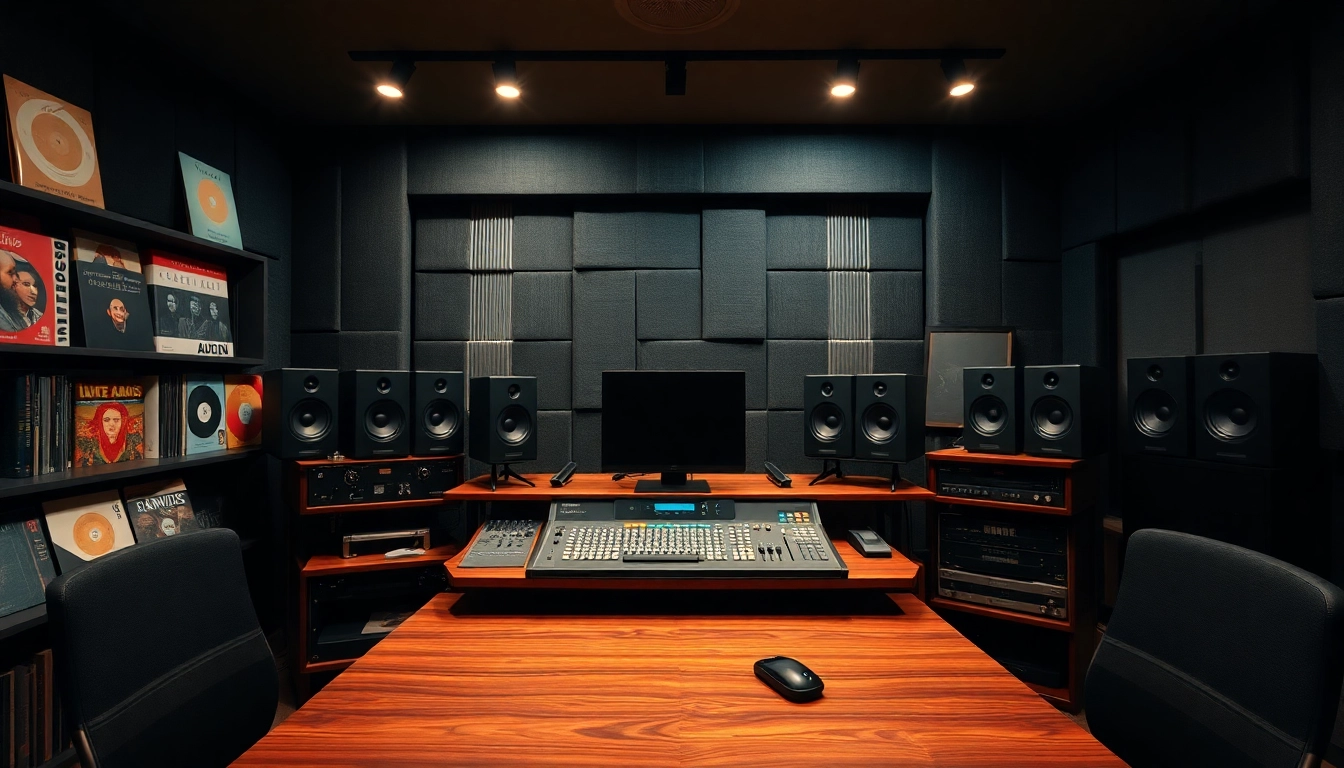
Understanding Online Audio Mastering
What is Online Audio Mastering?
Online audio mastering is the final step in the audio production process, involving the preparation and transferring of recorded audio from a production to a data storage device. This crucial process often determines how well a track will perform in terms of quality and listener engagement. Performing online audio mastering requires a blend of technical skill and artistic intuition to fine-tune elements such as dynamic range, tonal balance, and stereo placement, ensuring the audio is optimized for all playback systems.
Importance of Audio Mastering in Music Production
Mastering is essential in music production as it ensures that music tracks are polished, coherent, and ready for distribution. It addresses inconsistencies in audio levels, enhances tonal quality, and applies necessary corrections to guarantee a professional sound. A well-mastered track not only captivates listeners but also creates a sonic identity for the artist, fostering brand recognition in a crowded music market.
Key Differences Between Mixing and Mastering
Mixing and mastering are both crucial steps in music production but serve different purposes. Mixing involves combining and adjusting individual audio tracks to create a balanced, clear, and engaging sound. It focuses on elements like volume levels, panning, and effects. Mastering, on the other hand, is about optimizing the final mix for distribution, enhancing its overall presentation, and ensuring consistency across all playback systems. In essence, mixing shapes the individual components while mastering polishes the final product.
How to Choose an Online Audio Mastering Service
Criteria for Selecting a Mastering Service
When selecting an online audio mastering service, it’s crucial to consider several factors. Look for services that have a strong track record and offer transparent pricing. Additionally, pay attention to the mastering engineer’s credentials, past projects, and specific sound preferences. Reading reviews and testimonials can provide insight into the experiences of other artists. It’s also beneficial to choose a service that provides clear communication and collaborates with you to achieve your desired sound.
Comparing Pricing Models and Packages
Pricing models for online audio mastering can vary significantly. Some services charge per track, while others offer package deals for multiple tracks or albums. When comparing pricing, it’s essential to look beyond just the cost; consider what each package includes. Some services may offer additional features like revisions, detailed reports, or consultation, which can justify a higher price. Make sure to evaluate what fits your budget while also meeting your quality expectations.
Evaluating Sound Quality and Sample Work
One of the best ways to assess the quality of an online mastering service is to listen to their sample work. Reputable services usually showcase a portfolio of their mastered tracks, allowing potential clients to gauge the sound quality and stylistic compatibility. Pay attention to the clarity of the audio, the balance between instruments and vocals, and how the track translates across different listening environments. Requesting sample masters similar to your genre can help you make a more informed decision.
Essential Techniques in Online Audio Mastering
Common Mastering Techniques Explained
Mastering involves various techniques aimed at enhancing audio quality. Some common methods include equalization (EQ), dynamic range compression, stereo enhancement, and limiting. EQ is used to adjust frequency balances, while compression controls the dynamic range, making the audio sound more cohesive. Stereo enhancement techniques can widen the sound stage, giving tracks a more immersive feel. Limiting is the final step, ensuring that no peaks exceed 0 dB and that the track is loud enough for modern listening platforms.
Using Dynamic Range Compression Effectively
Dynamic range compression is a vital tool in mastering. It controls the volume fluctuations in a track, ensuring that softer and louder elements can coexist without losing clarity. When used skilfully, compression can give the track a polished sound without any unwanted artifacts. It’s important to find the right balance in compression settings to avoid over-compression, which can strip a track of its dynamics and emotional impact.
Applying EQ to Enhance Your Sound
Equalization (EQ) in mastering is utilized to enhance the overall tonal balance of a song. By boosting or cutting specific frequencies, you can shape the sound to be more pleasing to the ear. Common practices include cutting out low-end muddiness or enhancing high frequencies to give the track brightness. Careful EQ adjustment can prevent frequency clashes and ensure that every element of the mix has its own space, contributing to a polished final product.
Best Practices for Preparing Your Tracks for Mastering
File Formats and Specifications to Consider
When preparing tracks for mastering, it’s essential to export them in the correct file format. High-resolution files such as WAV or AIFF are recommended, as they provide the highest quality audio without compression artifacts. You should also ensure that the sample rate and bit depth align with industry standards, ideally 24-bit at 48 kHz or higher. Providing a clean, properly formatted mix will facilitate a smoother mastering process.
How to Avoid Common Mistakes in Preparation
Several common mistakes can derail the mastering process. One frequent error is leaving too much headroom in the mix. A general guideline is to aim for peaks around -6 dB, providing enough space for the mastering engineer to work their magic without digital clipping. Additionally, avoiding excessive effects like limiting or heavy EQ on the mix can prevent unintended consequences during mastering. Finally, provide notes for the mastering engineer to understand your vision and preferences for the project.
Creating a Mastering Checklist
Creating a checklist is an effective way to ensure your tracks are ready for mastering. Key elements to include are: ensuring the mix is balanced, checking for any unwanted noise, confirming file specifications, and listening through various playback systems. Identifying any issues beforehand can save time and ensure you deliver a polished product to the mastering engineer. Regularly revising your checklist as you gain experience will help fine-tune your preparation process.
Measuring the Success of Your Mastered Tracks
Understanding the Importance of Quality Control
Quality control is paramount in the mastering process to ensure that the final product meets professional standards. After mastering, it’s essential to listen critically to the final version on different playback systems, such as headphones, studio monitors, and consumer speakers. This step helps identify any inconsistencies that may have been overlooked during mastering and ensures that the audio translates well across various formats and environments.
Utilizing Feedback and Collaboration for Improvement
Seeking feedback from trusted peers or industry professionals can provide valuable insights into the effectiveness of your mastered tracks. Collaborating with others allows you to gather diverse perspectives and highlights areas for improvement. Utilizing tools such as online forums or audio production groups can facilitate constructive discussions and help hone your mastering decisions based on collective feedback.
Analyzing Audience Reception and Streaming Metrics
Post-release, analyzing audience reception and streaming metrics can indicate the success of your mastered tracks. Metrics such as play counts, listener retention rates, and comments can provide insights into how well the track resonated with listeners. By tracking these analytics, you can effectively assess the impact of your mastering choices and make informed decisions for future projects based on audience response.
FAQs on Online Audio Mastering
What is the process of online audio mastering?
The process typically involves uploading your mix, and a mastering engineer will enhance the audio quality using various techniques before returning the final polished track.
How long does online audio mastering take?
The timeline can vary based on the service, but most online audio mastering can be completed within a few days, depending on workload and complexity.
Can I master my own tracks online?
Yes, there are online tools available for self-mastering, but professional mastering often yields superior results due to experience and equipment.
What formats should I provide for mastering?
Exporting your tracks as high-resolution WAV or AIFF files at 24-bit/48kHz or higher is ideal for quality audio during the mastering process.
Is online mastering worth it compared to local studios?
Online mastering can offer competitive quality at lower prices, but it ultimately depends on the specific service and personal preference for collaboration and communication.